坦桑尼亞 溫莎 紅寶石 藍晶石
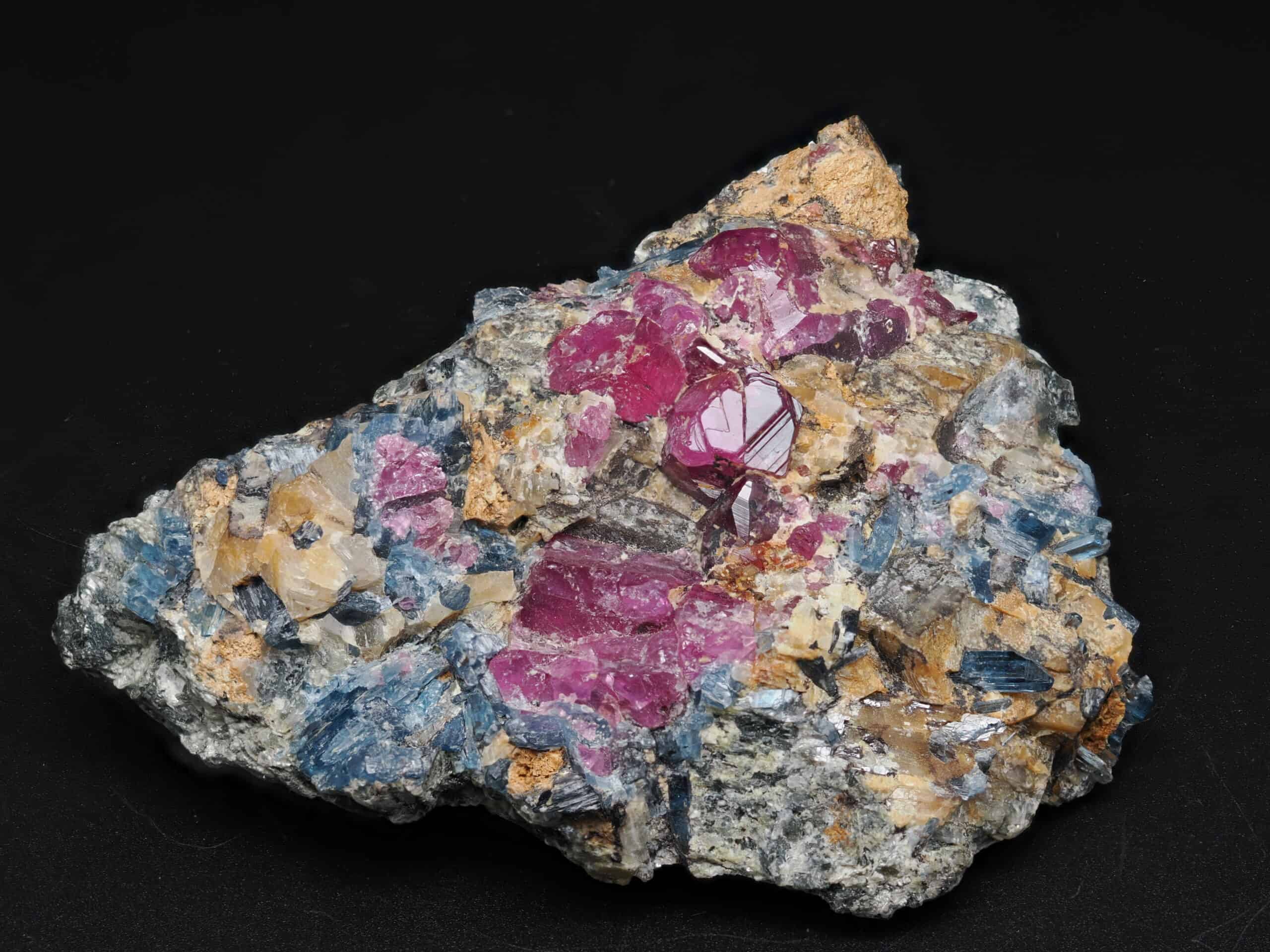
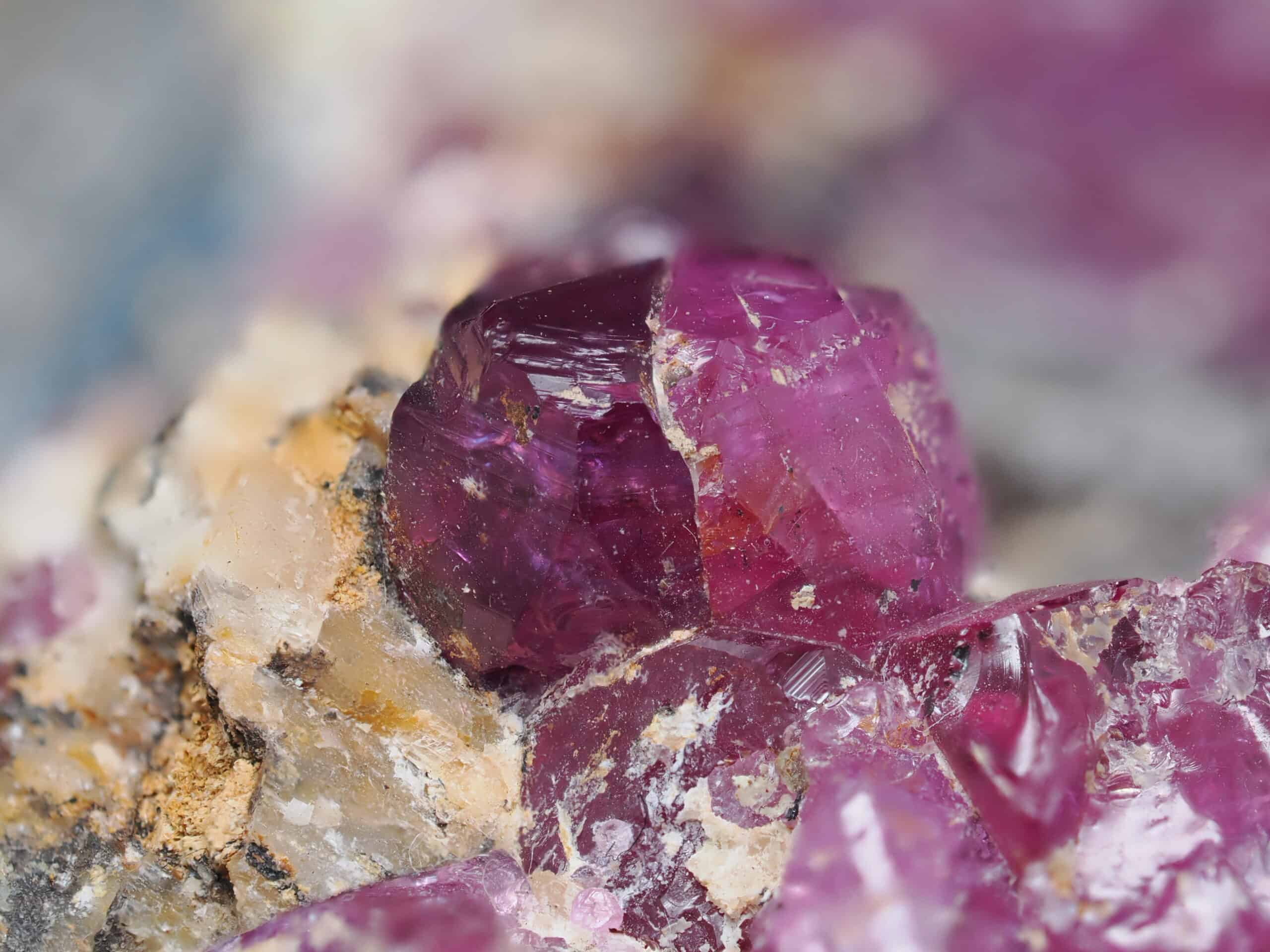
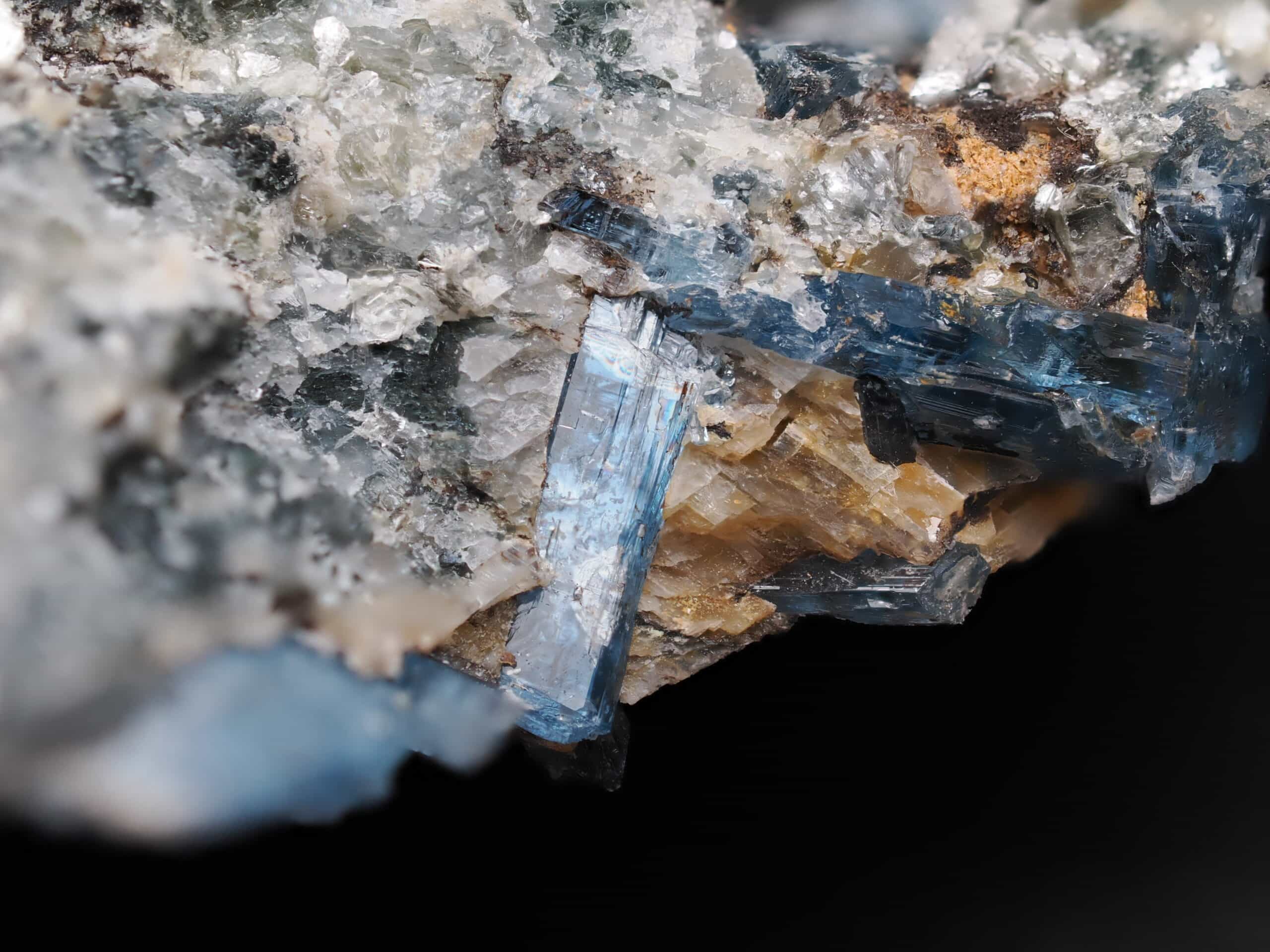
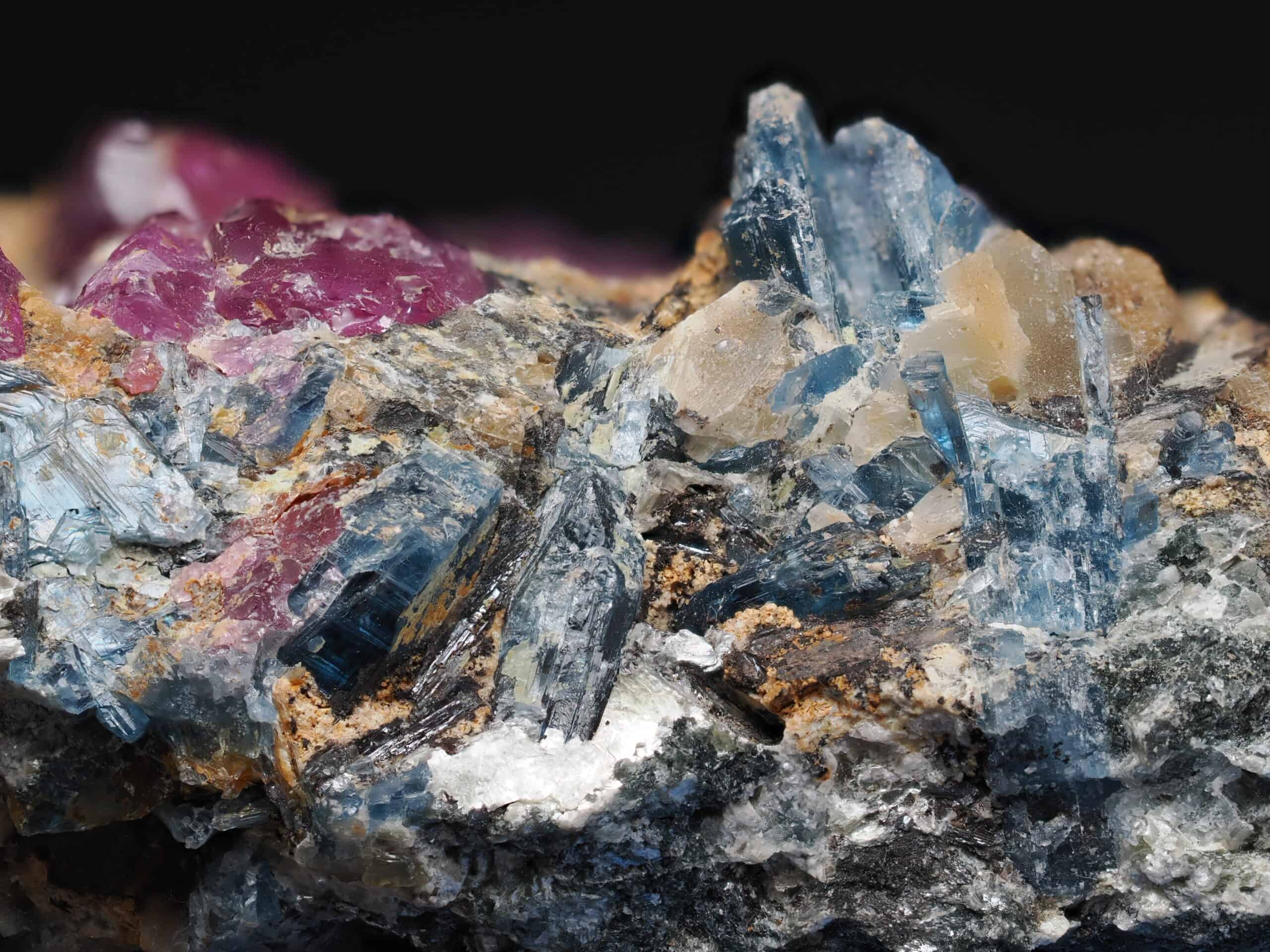
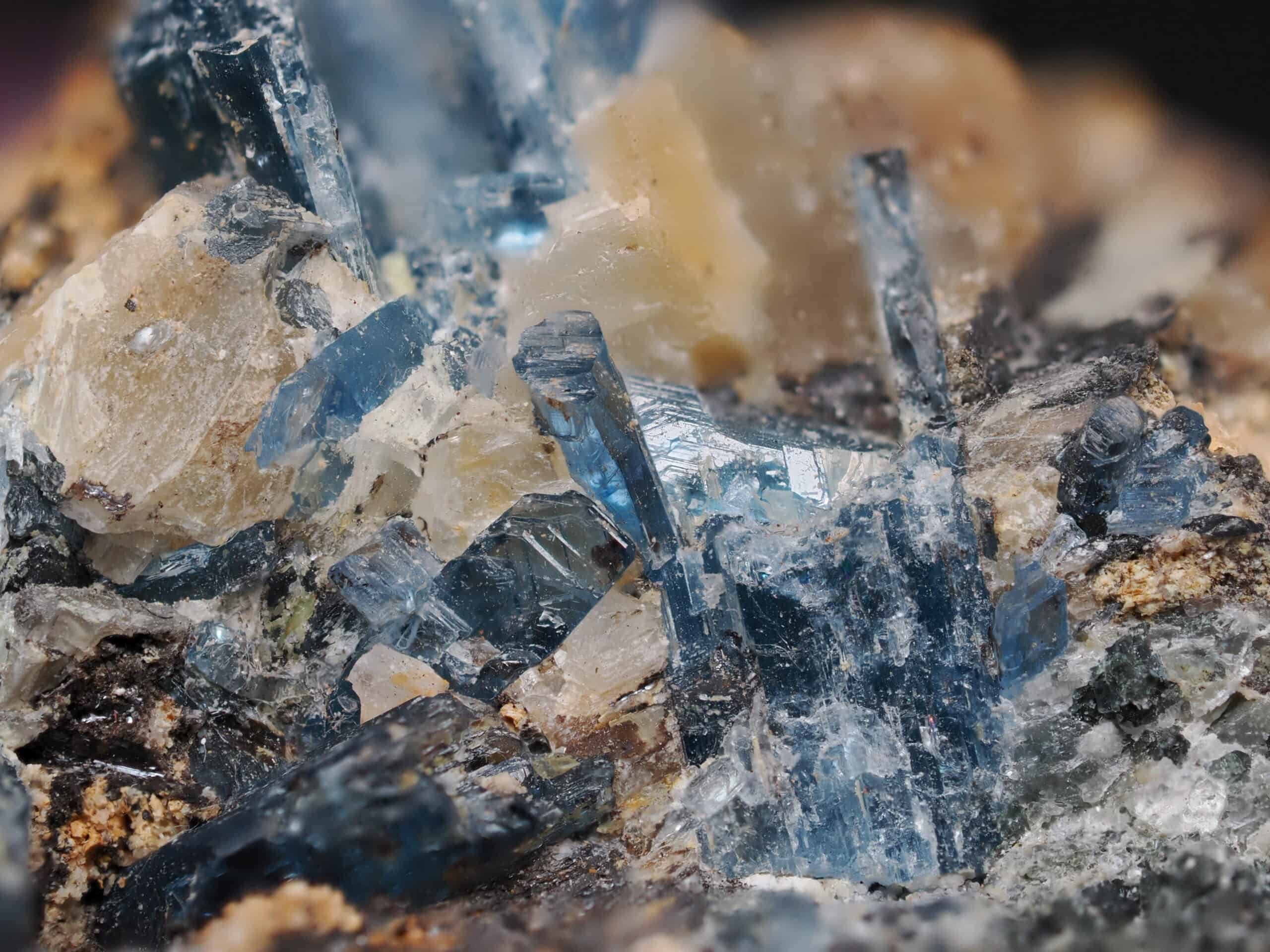
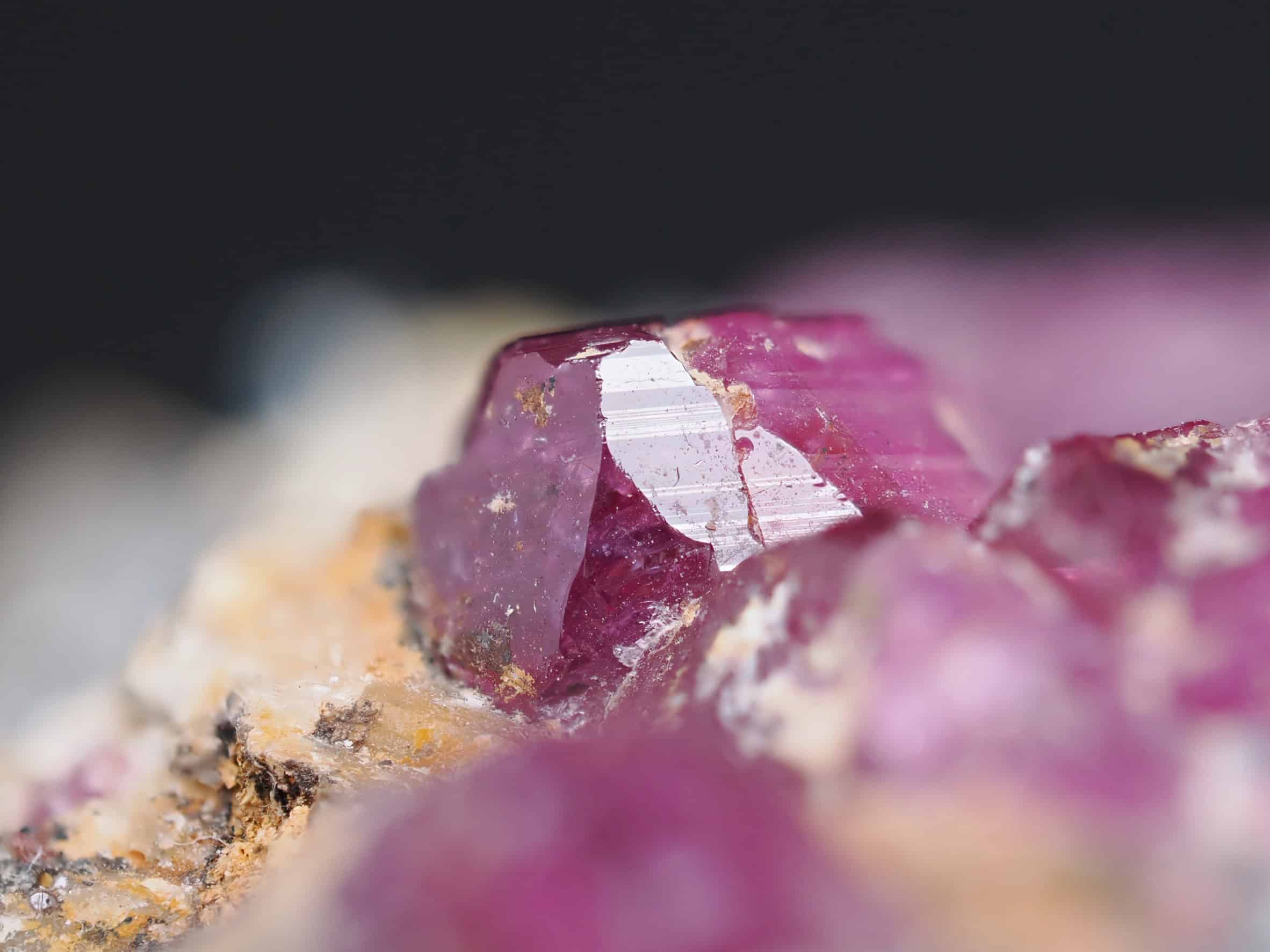
坦桑尼亚多多马地区姆普瓦普瓦区Winza矿区的红宝石(刚玉)与蓝晶石共生标本
坦桑尼亚 Winza 红宝石与蓝晶石标本
Ruby and Kyanite Specimen from Winza, Tanzania
中文介绍
矿物种类:红宝石(刚玉变种,Al₂O₃)与蓝晶石(Al₂SiO₅)
产地:坦桑尼亚多多马地区姆普瓦普瓦区 Winza
尺寸:7.50 cm x 5.65 cm x 2.50 cm
重量:104 克
描述:此标本展示了红宝石与蓝晶石的罕见共生,反映了高压变质环境下的铝富集矿物形成过程。 红宝石晶体具有浓郁的红色,与蓝晶石的蓝绿色调形成鲜明对比,展现出色彩和晶体形态的完美结合。
English Description
Minerals: Ruby (Variety of Corundum, Al₂O₃) and Kyanite (Al₂SiO₅)
Locality: Winza, Mpwapwa District, Dodoma Region, Tanzania
Dimensions: 7.50 cm x 5.65 cm x 2.50 cm
Weight: 104 grams
Description: This exquisite specimen showcases the rare coexistence of ruby and kyanite, formed under high-pressure metamorphic conditions. The ruby crystals display vivid red hues, complemented by the striking blue-green shades of kyanite, creating a visually stunning and scientifically valuable piece.
1. 美学特点
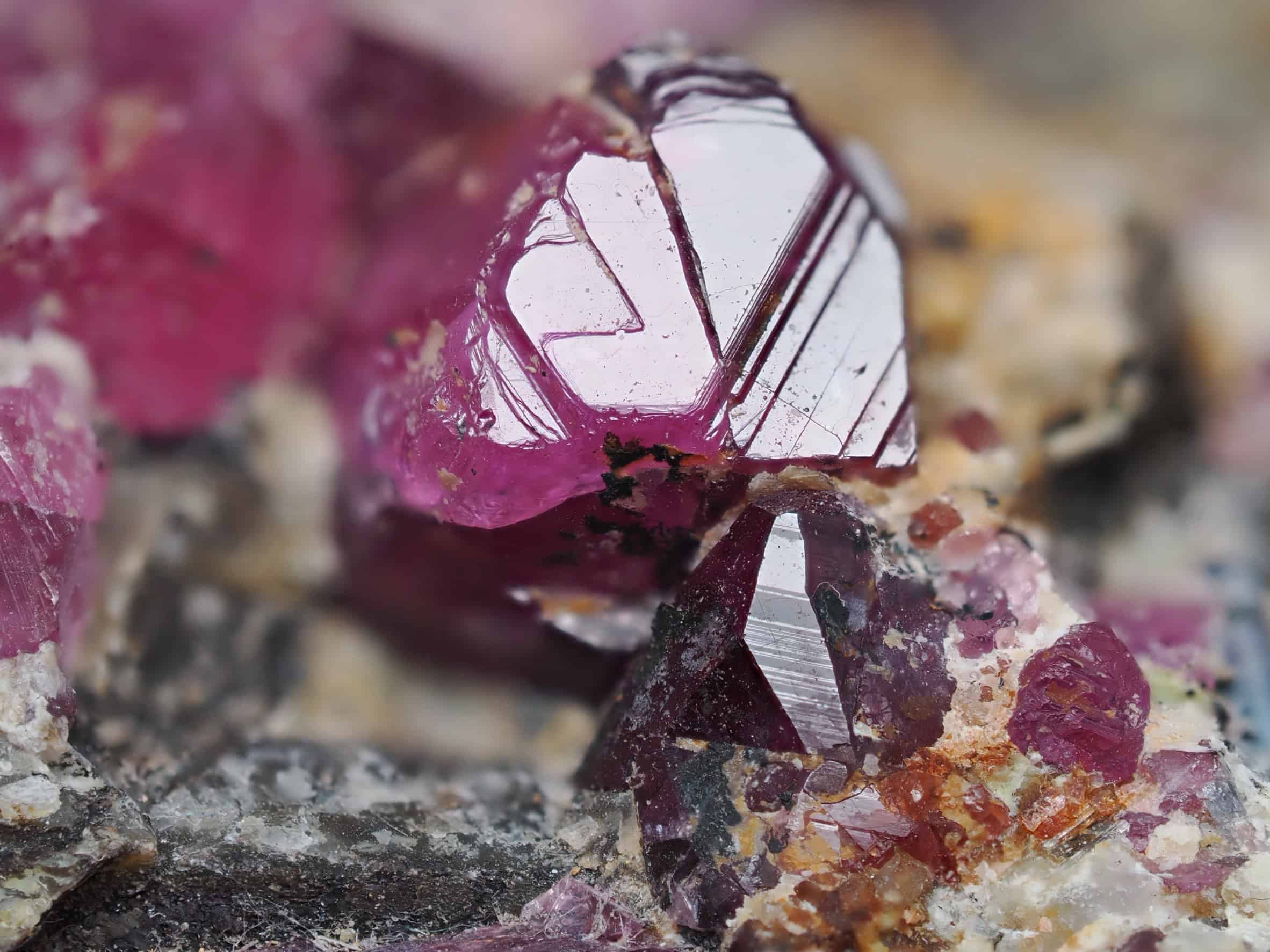
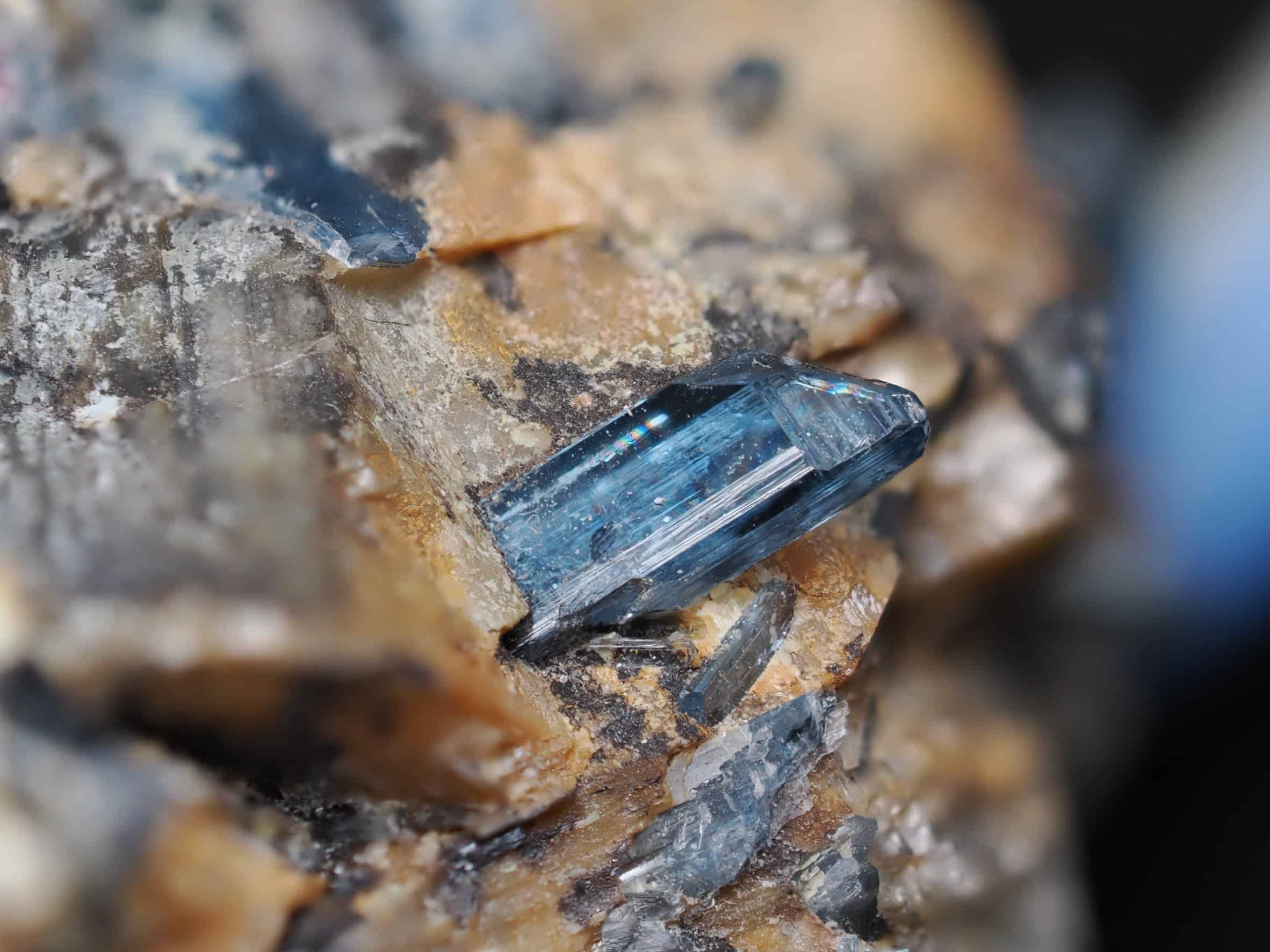
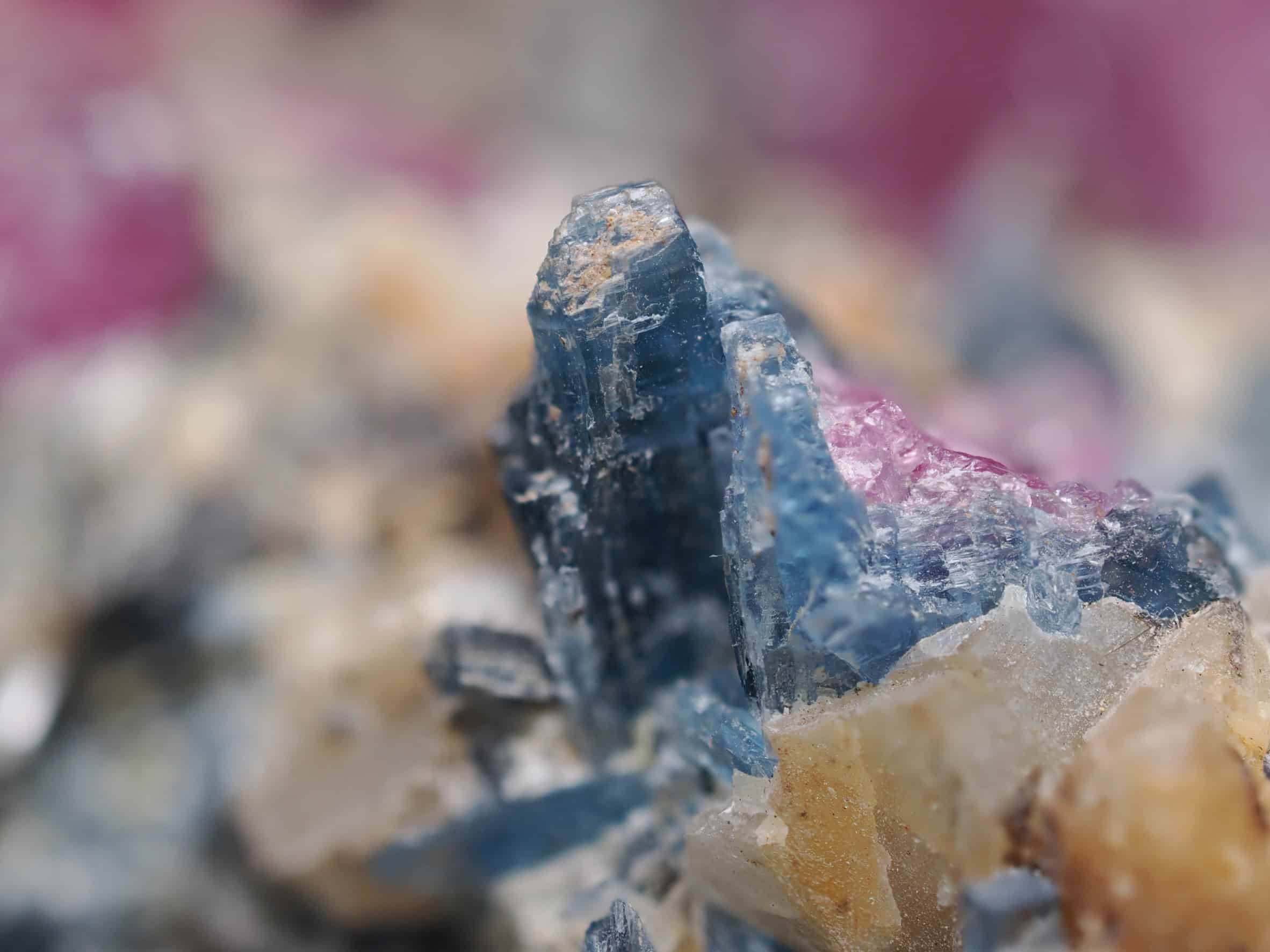
• 颜色与光泽:红宝石晶体呈现深红色至鲜红色,具有玻璃光泽,展现出宝石级的品质。蓝晶石则呈现蓝色或蓝绿色,具有珍珠光泽,与红宝石形成鲜明的色彩对比。
• 晶体形态:红宝石通常呈六方柱状或桶状晶体,晶面平整,棱角分明。蓝晶石则以长柱状或片状晶体出现,长度可达数厘米,展现出良好的晶体形态。
• 整体视觉效果:红宝石与蓝晶石的共生,使标本呈现出红蓝相间的独特美感,色彩对比鲜明,晶体排列有序,具有很高的观赏价值。
2. 矿物学特点
• 成分与结构:红宝石的化学成分为氧化铝(Al₂O₃),因含有微量的铬元素而呈红色。蓝晶石的化学成分为Al₂SiO₅,属于硅酸盐矿物。两者均为高铝矿物,反映了富铝地质环境的特征。
• 形成环境:红宝石与蓝晶石的共生通常形成于高压变质环境,如区域变质作用中的片麻岩或片岩中。这种共生关系指示了特定的地质条件,如高压和中等温度下的变质作用。
• 晶体特征:红宝石晶体常具有包裹体,如金红石针或其他矿物包体,可能导致星光效应。蓝晶石晶体则可能显示出多色性,在不同方向上呈现不同的颜色。
3. 收藏与研究价值
• 收藏价值:红宝石与蓝晶石共生的标本因其稀有性和美观性而备受收藏家青睐。特别是晶体完整、色彩鲜艳、共生关系清晰的标本,在市场上具有较高的价值。
• 研究价值:这种共生组合为地质学家提供了研究高压变质作用和富铝地质环境的重要线索。通过分析红宝石和蓝晶石的共生关系,可以推断形成它们的地质条件和演化历史。
4. 地质意义
• 指示矿物:红宝石与蓝晶石的共生可作为指示矿物,帮助地质学家识别特定的变质条件和地质环境。
• 区域地质特征:Winza矿区以产出高品质的红宝石而闻名,此类共生标本的存在进一步丰富了该地区的矿物多样性,体现了复杂的地质演化过程。
总结
坦桑尼亚Winza矿区的红宝石与蓝晶石共生标本,以其独特的美学特征和重要的地质意义,成为矿物收藏和科学研究的珍贵对象。其鲜明的色彩对比、完整的晶体形态以及所指示的地质环境,使其在矿物学和地质学领域占据重要地位。
Ruby (Variety of Corundum) and Kyanite Specimen from Winza, Mpwapwa District, Dodoma Region, Tanzania
This mineral specimen, featuring a combination of ruby (a variety of corundum) and kyanite from the Winza mining area in Tanzania, is notable for its unique mineral association and aesthetic appeal.
1. Aesthetic Features
• Color and Luster: The ruby crystals exhibit deep to vivid red hues with a vitreous luster, indicating gem-quality material. Kyanite presents blue to blue-green colors with a pearly luster, creating a striking contrast with the ruby.
• Crystal Morphology: Rubies typically form as hexagonal prismatic or barrel-shaped crystals with well-defined faces and sharp edges. Kyanite appears as elongated prismatic or bladed crystals, sometimes reaching several centimeters in length, showcasing excellent crystal habits.
• Overall Visual Appeal: The intergrowth of red ruby and blue kyanite results in a specimen with vivid color contrasts and orderly crystal arrangements, offering high visual and aesthetic value.
2. Mineralogical Characteristics
• Composition and Structure: Ruby is composed of aluminum oxide (Al₂O₃) with trace chromium imparting the red color. Kyanite has the chemical formula Al₂SiO₅, belonging to the silicate minerals. Both are aluminum-rich minerals, indicative of aluminous geological settings.
• Formation Environment: The coexistence of ruby and kyanite typically occurs in high-pressure metamorphic environments, such as gneisses or schists formed during regional metamorphism. This association reflects specific geological conditions involving high pressure and moderate temperatures.
• Crystal Features: Ruby crystals may contain inclusions like rutile needles, potentially causing asterism. Kyanite crystals often exhibit pleochroism, displaying different colors when viewed from different angles.
3. Collectible and Research Value
• Collectible Value: Specimens featuring ruby and kyanite associations are highly prized by collectors for their rarity and beauty. Specimens with complete crystals, vivid colors, and clear associations command high market value.
• Research Value: This mineral association provides geologists with insights into high-pressure metamorphic processes and aluminous geological environments. Studying the coexistence of ruby and kyanite can reveal information about the geological conditions and metamorphic history of the region.